
Teaching Beyond Today's Workforce: Meet Paul Croitoru
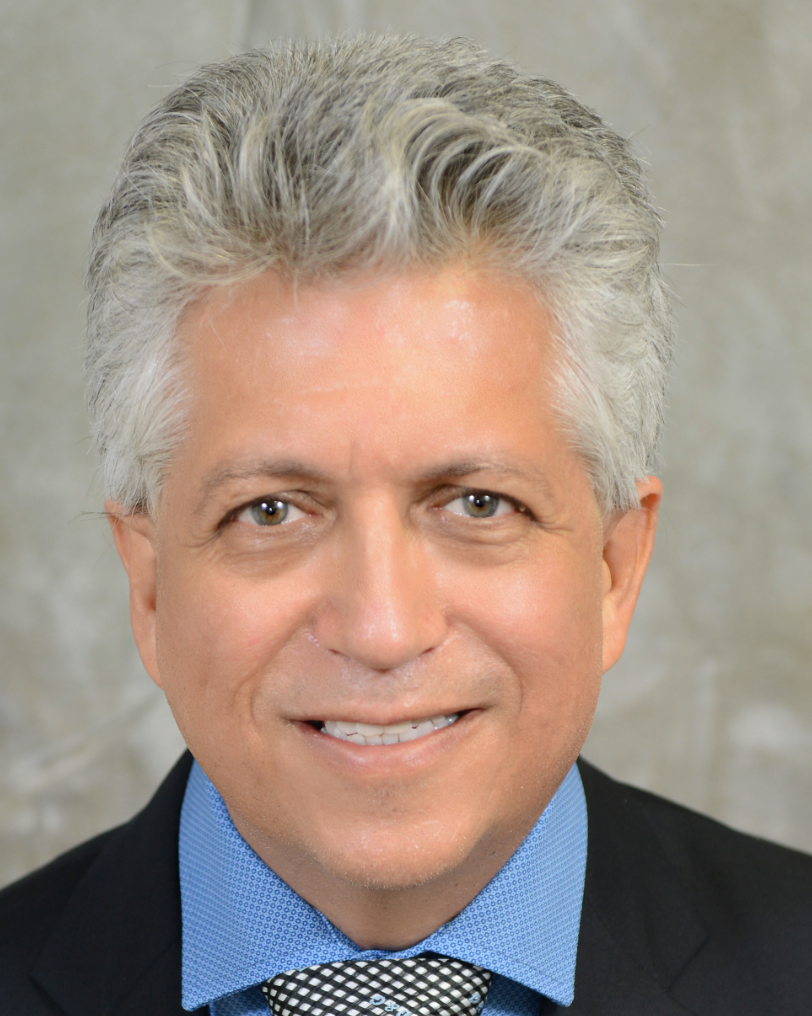
Driven by a desire to prepare students for an increasingly tech-driven economy, Paul first explored quantum computing through FTI’s Intro to Quantum Computing course, bringing with him decades of experience spanning accounting, financial systems, programming, and data analytics. Now serving as Chair of the Business Department at Wilbur Wright College in Chicago, he is focused on helping students understand how emerging technologies like AI, big data, and quantum computing will reshape the workforce—and why adaptability and lifelong learning matter more than ever. Check out our exclusive Q&A with Paul below!
Can you introduce yourself and share a bit about your background?
My name is Paul Croitoru, and I’m a licensed CPA, teaching at Wilbur Wright College, part of the City Colleges of Chicago system. I’m currently the Chair of the Business Department, and I teach accounting, financial systems, and data analytics courses.
Throughout my career, I’ve been driven by a desire to understand what’s coming next and how it will impact the workforce and education. Whether I was working in accounting or the classroom, that mindset naturally led me to explore emerging technologies and their potential to shape the future.
How did you first become interested in technology and emerging tech?
My career started in accounting, but I very quickly became involved in systems and programming work. I worked on financial systems, reinsurance systems, and portfolio trading platforms, so technology became deeply integrated into everything I was doing professionally.
Over time, I realized that technology wasn’t separate from business. It was transforming business. That’s what kept me interested and motivated to continue learning.
How did your experience with FTI influence your teaching?
It really helped me bring conversations about emerging technologies, like AI, blockchain, and quantum computing into my classroom and encourage students to think ahead about the world they’re entering.
A lot of students are nervous about these technologies, so part of my role is helping them understand what skills they’ll need and encouraging them not to be afraid of change. I really appreciated the way the program integrated labs, tech tools, and practical learning. I’ve adapted aspects of that structure into my own courses and teaching style.
“Students need to prepare not just for the jobs that exist today, but for the opportunities that will emerge tomorrow.”
What excites you most about the future of emerging technology?
Seeing how much can now be automated and simplified. Things that once required large amounts of manual work can now be done so much more efficiently.
At the same time, every new wave of technology creates new opportunities and new challenges. We saw that with blockchain, and now we’re seeing it with AI. New jobs will be created, but people will need new skills to succeed in them.
On a more specific note, Chicago’s investment in quantum computing has been really exciting to watch. There’s a lot happening here right now.
What do educators need most to prepare students for the future?
We need to train educators first. Help them understand how these technologies fit into their own fields and how to bring them into the classroom effectively. You have to learn how to work with technology - not against it.
Theory matters, but students also need practice and hands-on experience. That’s why organization’s like FTI and platforms like IBM’s cloud quantum systems are so valuable - they allow students and educators to experiment and learn directly.
What challenges have you faced keeping up with rapidly changing technology?
Honestly, exactly that: just keeping up with everything. Technology is changing so rapidly. You have to keep learning and adapting. The good news is that learning resources are more accessible than ever before. What used to cost a fortune is now often available online for free or at a low cost.
And even though we have so many tools to help generate code now, people still need to understand how the technology works underneath it all.
Learn how to read the code before you run it.
“If you want to survive, you have to be a lifelong learner.”
What advice would you give to students just getting started in emerging tech?
Don’t get frustrated when things don’t click immediately. Technology takes practice, experimentation, and patience.
Eventually, something will connect and once it does, it opens up entirely new possibilities.
“It’s all a game of trial and error, practice, and persistence. Eventually something clicks.”
As technology continues to reshape every industry, Paul believes success will belong to those who remain curious, adaptable, and committed to lifelong learning. Through his work in the classroom, he's helping students develop not only the technical skills they'll need for the careers of the future, but also the mindset to thrive in a world of constant change.
